
Seoul Café Survival Guide: Kiosks, Rules & Tips (2026)
Walking into a Seoul café for the first time can feel like landing in a different dimension — sleek kiosks where a cashier used to be, unwritten seating rules nobody told you, and a menu that's half in Korean.
Quick Overview
What this guide covers: Everything you need to order confidently, avoid awkward moments, and actually enjoy Seoul's incredible café scene.
- How to use a Korean café kiosk — step by step
- Six unwritten rules that locals follow without thinking
- A quick language cheat sheet for independent cafés
- The best café types and specific spots worth visiting in Spring 2026
Read time: 6 minutes
How Seoul Café Kiosks Work
Seoul is one of the most cashless, automated cities in the world — and its cafés reflect that. At least 70% of franchise cafés now use self-service kiosks instead of a human cashier. Don't panic; they're easier than they look.
The basic flow:
- Walk in and head to the kiosk — usually positioned near the entrance
- Tap the language button, typically in the top-right corner — most offer English, Chinese, and Japanese
- Browse the menu, select your drink, and customize (hot/iced, size, syrups)
- Pay by card — international Visa and Mastercard are accepted almost everywhere
- Wait for your order number on the pickup screen
Korea is nearly cashless, so bring a card rather than relying on cash. Apple Pay and Samsung Pay work at many locations too, but a physical card is the safest fallback.
One thing that catches people off guard: the kiosk often asks dine-in or takeaway before you reach the menu. "매장" (maejang) means dine-in; "포장" (pojang) means takeaway. Select first, then order.
If you freeze up, just breathe — nobody's rushing you. Staff are almost always nearby, and Seoul café workers are entirely used to tourists puzzling through the screen.
Unwritten Rules of Korean Café Culture
This is where most visitors quietly make mistakes without realizing it. Seoul's Korean café culture etiquette isn't posted anywhere — it's just understood.
Seat first, order second — at independent (non-franchise) cafés, it's normal to sit down, look over the menu, then walk up to the counter. Don't wait at the entrance to be seated.
One drink per person is the soft expectation at busy spots, especially on weekends. If you're staying a while, ordering a second round is the polite move.
Time limits are real — many popular cafés post signs like "2-hour limit on weekends" or "no laptops after 12 PM." These aren't suggestions; respect them and move on.
Don't bring outside food unless the café explicitly says it's okay — even convenience store snacks are a no-go. This surprises a lot of tourists. Speaking of convenience stores, they have their own fascinating customs worth knowing — check out our guide to Korean convenience store secrets before you go.
Keep noise low. Seoul cafés function as study and work spaces, not just social hangouts. Loud phone calls or a boisterous group will earn you visible flinches from the regulars.
Bus your own tray at franchise cafés. There's usually a return station near the exit. At independent cafés, staff typically collect, but when in doubt, leave dishes stacked neatly on the table.
A Quick Language Cheat Sheet
Most kiosks have English, but a few Korean words make everything smoother — especially at smaller indie cafés with no multilingual menu.
| Korean | Romanization | Meaning |
|---|---|---|
| 아이스 | A-yi-seu | Iced |
| 따뜻한 | Dda-ddeut-han | Hot |
| 여기서 드세요? | Yeo-gi-seo deu-se-yo? | Dining in? |
| 포장 | Po-jang | Takeaway |
| 설탕 빼주세요 | Seol-tang bbae-ju-se-yo | No sugar, please |
| 얼음 적게 | Eol-eum jeok-ge | Less ice |
| 카드 되나요? | Ka-deu doe-na-yo? | Can I pay by card? |
| 영수증 주세요 | Yeong-su-jeung ju-se-yo | Receipt, please |
You don't need perfect pronunciation. Making the effort is enough — café staff appreciate it, and most have enough basic English to get through a transaction anyway. For a broader ordering guide that covers restaurants too, this Korean restaurant ordering walkthrough has you covered.
What Type of Café Should You Visit?
Seoul has so many café formats it can feel paralyzing. Here's a breakdown by what you're actually looking for.
Mega-franchises like Mega Coffee, Ediya, and Compose Coffee offer drinks from ₩2,000–₩4,000 (~$1.50–$3.00). They're everywhere, fully kiosk-based, and perfect when you just need caffeine fast with no fuss.
Specialty independent cafés are where Seoul's café scene really shines — usually run by a single owner-barista with serious credentials. Expect to pay ₩6,000–₩9,000 (~$4.50–$6.50) per drink, but the quality is exceptional. Seongsu and Hannam are the densest neighborhoods for these.
Aesthetic and botanical cafés prioritize vibe: glass walls, rooftop views, or lush plant interiors. Spring 2026 is a particularly good season for this category — the city's plant-forward café scene has exploded, with standout spots from the Han River to the mountainside. If you want a broader picture of what Seoul offers this season, this guide to unique Korean experiences covers everything from hanok villages to night markets.
Study cafés (스터디 카페) charge by the hour for a silent workspace with unlimited drinks included. Not really a tourist format, but worth knowing they exist when you're wondering why that spot looks so quiet and why everyone has textbooks.
Five Seoul Cafés Worth the Detour (Spring 2026)
These are spots with a genuine reason to visit — not just an Instagrammable storefront.
Dotori Garden sits in a quiet courtyard alley in Anguk, right in the palace district. Its seasonal garden peaks in late April. The Anguk area pairs perfectly with a Gyeongbokgung visit — many tourists combine it with a K-Pop dance class at AZIT Dance Studio, just a short walk from the palace gates.
Cafe Sanare in Gangbuk is a 30-minute trip from central Seoul but worth it for the mountain views. Floor-to-ceiling glass walls look directly out at Bukhansan on every side.
Urban Plant near the Han River opened in late 2024 and has become a fixture of Seoul's botanical café scene. Industrial structure meets dense greenery in a way that genuinely works.
London Bagel Museum in Anguk (with a branch in Seongsu) always has a queue, but it moves fast. The retro-British aesthetic is oddly charming, and the bagels are excellent.
Hooligan Coffee in Hongdae is the go-to for starting a day of street exploring. Exits 7 and 8 of Hongdae Station (Line 2) put you right in front of it.
| Café | Neighborhood | Nearest Station | Hours | Avg. Price |
|---|---|---|---|---|
| Dotori Garden | Anguk, Jongno-gu | Anguk (Line 3) | Daily from 08:00 | ₩7,000 |
| Cafe Sanare | Gangbuk-gu | Suyu (Line 4) | 11:00–20:00 (wkdy), –22:00 (wknd) | ₩7,500 |
| Urban Plant | Seongdong-gu | Ttukseom (Line 2) | 10:00–22:00 | ₩8,000 |
| London Bagel Museum | Anguk / Seongsu | Anguk (Line 3) | 08:00–21:00 | ₩9,000 |
| Hooligan Coffee | Hongdae, Mapo-gu | Hongdae (Line 2) | 09:00–23:00 | ₩5,500 |
Last verified: 2026-04-01. Hours and prices may change — confirm before visiting.
Getting between these neighborhoods is straightforward once you have a T-money card. For a full breakdown of Seoul's subway and transit system, the complete Seoul transportation guide has everything you need.
Common Questions
What if the kiosk has no English option? Tap the flag or globe icon — it's usually in the top-right corner of the screen. If there's truly no English mode, menu items are often spelled phonetically ("Americano," "Latte," "Matcha Latte"), so pointing and tapping gets you surprisingly far. Staff are used to helping tourists through the process.
Is tipping expected in Korean cafés? No, never. Tipping is not part of Korean café or restaurant culture, and it can come across as awkward. A warm "감사합니다" (gam-sa-ham-ni-da — "thank you") as you leave is all you need.
Can I work on my laptop for a few hours? In most cafés, yes — Seoul has a strong study-and-laptop culture baked into its café scene. But on weekends and during peak hours, some spots restrict laptops or set time limits. Check for posted signs when you sit down. If you need an all-day work session, look for a dedicated 스터디 카페 (study café), where that's the entire point and you pay by the hour.
Related Articles
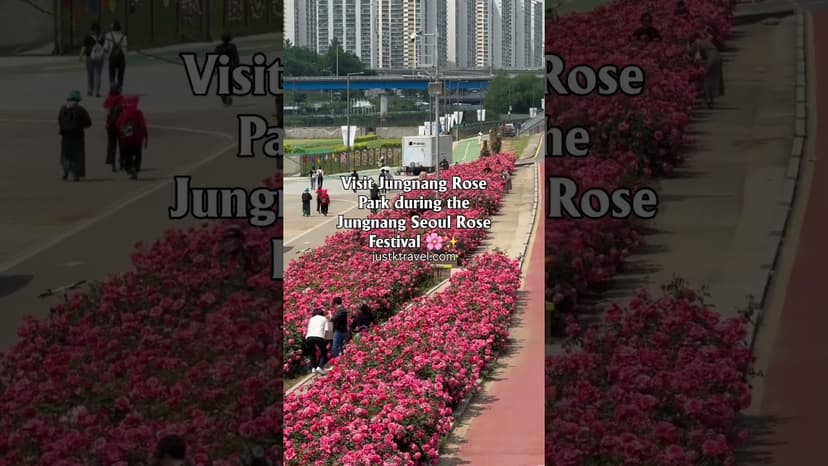
Seoul Rose Festival 2026: Complete Tourist Guide to Jungnang
Your complete guide to the 2026 Seoul Rose Festival — 5.45km rose tunnel, 10 million blooms, free entry, and practical tips for tourists.
I.O.I LOOP 2026: Seoul 10th Anniversary Fan Guide
I.O.I reunites after 9 years for 'LOOP' — Seoul concerts May 29–31 at Jamsil. Group history, dance legacy & fan pilgrimage guide for tourists.
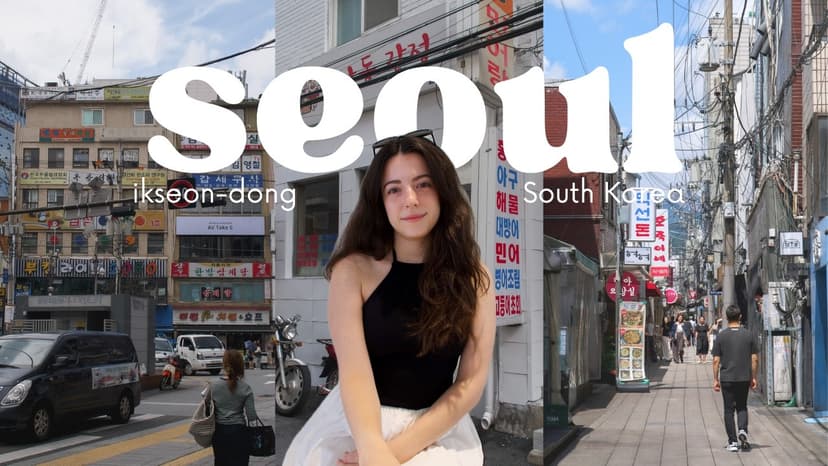
Ikseon-dong Seoul: K-Pop Fan's Photo & Café Guide 2026
Discover Ikseon-dong, Seoul's hanok village — rainbow umbrella alleys, lantern cafés, K-pop vibes, and top photo spots just 10 min from Gyeongbokgung.
Popular Topics
Ready to Experience K-Pop Dance?
Join us at AZIT Dance Studio for an unforgettable K-Pop dance experience in Seoul!